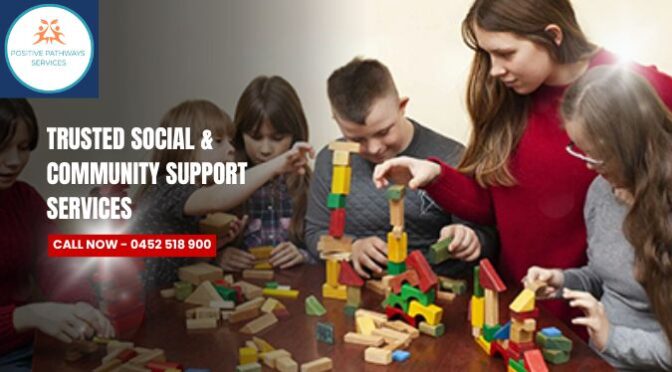
Social and community participation plays a vital role in overall wellbeing. Being connected to others, attending community activities, and engaging in meaningful experiences can improve confidence, independence, and quality of life. However, many people living with disability face barriers that make community involvement challenging.
This is where support workers make a significant difference. Across Brisbane, Nundah, and Wooloowin, support workers help individuals overcome obstacles and actively participate in the communities around them.
Understanding the Challenges of Social Participation
For many people, joining community activities is not as simple as attending an event or meeting new people. Various factors can create barriers to participation, including:
Limited mobility or transport options
Social anxiety or lack of confidence
Communication difficulties
Unfamiliar environments
Previous experiences of isolation
Difficulty building and maintaining relationships
Without the right social & community support services in Nundah or the surrounding regions, these challenges can reduce opportunities for social interaction and community engagement.
Providing Encouragement and Emotional Support
One of the most valuable roles of a support worker is providing encouragement. Trying new activities or attending community events can feel overwhelming, especially for individuals who have experienced social isolation.
Support workers offer reassurance and positive guidance throughout the process. Their presence can help participants feel more comfortable when meeting new people, exploring new places, or joining unfamiliar activities.
Over time, this support helps build confidence and promotes greater independence.
Assisting with Community Access
Getting to community activities is often one of the biggest challenges people face. Support workers assist with transport arrangements and help individuals access local facilities safely and comfortably.
Whether attending a sporting event, visiting a community centre, participating in a hobby group, or enjoying a local festival, support workers help remove practical barriers that may otherwise prevent participation.
For participants in Brisbane, Nundah, and Wooloowin, this support creates greater opportunities to engage with their local community.
Developing Social Skills and Communication
Social interactions can sometimes be challenging for individuals with communication difficulties or limited social experience.
Support workers can help participants develop important social skills such as:
Starting conversations
Building friendships
Understanding social cues
Participating in group activities
Expressing preferences and opinions
These skills are part of social & community support services in South Brisbane and its suburbs, and also contribute to improved confidence in everyday situations.
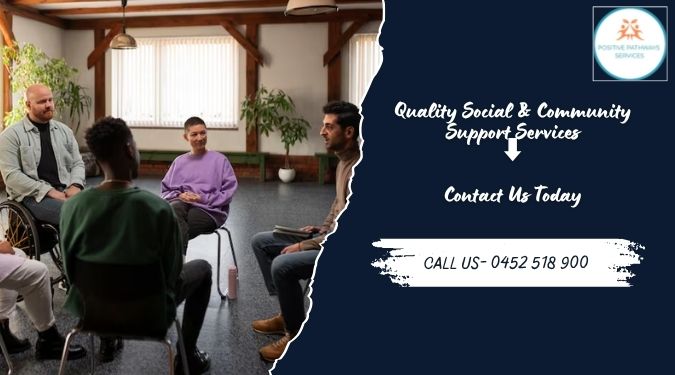
Encouraging Meaningful Community Involvement
Community participation is most beneficial when it aligns with a person’s interests and goals.
Support workers take the time to understand individual preferences and identify activities that are enjoyable and meaningful. This could include:
- Art and craft groups
- Sporting clubs
- Volunteer opportunities
- Educational workshops
- Social gatherings
- Cultural and community events
By matching activities to personal interests, support workers help create positive experiences that encourage ongoing involvement.
Promoting Independence and Choice
Effective support is not about doing everything for someone. Instead, support workers empower individuals to make their own decisions and develop greater independence.
As confidence grows, participants often become more comfortable attending activities, interacting with others, and navigating community settings with less assistance.
This person-centred approach by a disability services and support organisation helps individuals achieve their goals while maintaining control over their own lives.
Reducing Social Isolation
Isolation can have a significant impact on emotional wellbeing and mental health. Regular social interaction helps people feel connected, valued, and included within their community.
Support workers play an important role in helping participants establish routines that include regular social and recreational activities. These connections often lead to stronger friendships, improved self-esteem, and a greater sense of belonging.
Creating Opportunities for a More Connected Life
Support workers do much more than provide social & community support services in Wooloowin and other regions. They help individuals overcome barriers, build confidence, develop relationships, and participate fully in community life.
For people living in Brisbane, Nundah, and Wooloowin, quality social and community support can open the door to meaningful experiences, greater independence, and lasting connections. With the right support in place, individuals can enjoy a richer, more active, and more fulfilling life within their local community.
- How can a support worker help someone who experiences social anxiety in community settings?
Support workers can provide gradual exposure to social activities, offer reassurance during interactions, and help individuals develop coping strategies that build confidence over time.
- Can social and community support assist with developing long-term friendships?
Yes. Support workers often help participants connect with groups and activities aligned with their interests, creating natural opportunities to build genuine and lasting friendships.
- What types of community activities can be included in social and community support?
Activities may include recreational programs, sporting clubs, educational courses, volunteering opportunities, cultural events, hobby groups, shopping trips, and local community gatherings.
- How do support workers encourage independence while still providing assistance?
Support workers focus on empowering participants to make their own choices, develop skills, and gradually take on more responsibility rather than becoming reliant on support.
- Can social and community support help improve communication skills?
Absolutely. Through regular social interactions and guided participation, individuals can practise conversation skills, improve confidence in expressing themselves, and strengthen interpersonal communication.
- What happens if a participant is unsure about which activities they would enjoy?
Support workers can explore different options with the participant, arrange trial activities, and help identify interests that align with personal goals, strengths, and preferences.
- How does community participation contribute to overall wellbeing?
Regular community involvement can improve self-esteem, reduce feelings of isolation, encourage physical activity, support emotional wellbeing, and create a stronger sense of belonging.
- Can support workers assist participants in accessing public transport and navigating their community?
Yes. Many support workers help participants develop travel skills, understand public transport systems, and build confidence when accessing community services and activities independently.
- How can social and community support benefit people transitioning to more independent living arrangements?
Community participation helps individuals develop life skills, establish local connections, build confidence, and create support networks that can contribute to successful independent living.
- How are social and community participation goals tailored to each individual?
Support plans are typically based on a participant’s interests, abilities, aspirations, and NDIS goals, ensuring activities are meaningful, enjoyable, and aligned with personal development objectives.
Start Your Journey Towards Greater Community Participation
Contact the friendly team of Positive Pathways Services today to discover how personalised social and community support can help you build confidence, connections, and independence. Call 0452 518 900 now.
